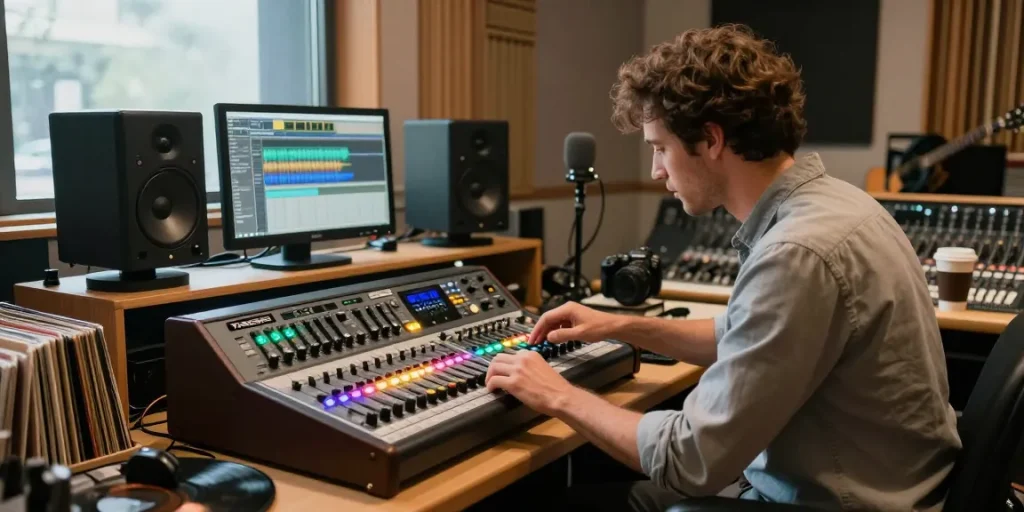

Introduction to the DA88 Multitrack Recorder
The DA88 is a groundbreaking piece of technology that revolutionized the way audio was recorded in the home studio environment. Launched by TASCAM in 1993, this digital multitrack recorder offered musicians and producers an affordable and reliable solution for high-quality audio recording. Featuring eight tracks of recording capability using the DTRS format, the DA88 provided unprecedented access to professional-level recording for aspiring artists. As we venture into 2026, its legacy continues to influence modern recording techniques, making understanding this device essential for both seasoned professionals and newcomers alike. When exploring options, DA88 provides comprehensive insights into maximizing your recording potential.
What is the DA88?
The DA88 is an 8-track digital multitrack recorder developed by TASCAM, utilizing the DTRS (Digital Tape Recording System) format to capture audio with remarkable fidelity. It records onto Hi8 video tapes, allowing for high-quality sound reproduction and offering the ability to record for extended periods—up to 108 minutes on a single tape. Its modular design and user-friendly interface made it a staple in both professional studios and home recording setups.
History and Evolution of the DA88
Since its inception, the DA88 has had a significant impact on the audio recording industry. Emerging as a direct competitor to the Alesis ADAT system, it quickly gained popularity for its affordability and high audio quality. The DA88 not only challenged existing norms but also paved the way for future digital audio technologies. Over the years, it has seen various updates and iterations, continually adapting to the changing landscape of audio production.
Why Choose the DA88 for Your Studio?
For both professionals and hobbyists, choosing the DA88 offers numerous advantages. It boasts a robust build quality and user-friendly interface, making it accessible for musicians of all skill levels. The DA88 also supports advanced features like timecode synchronization, making it versatile for recording projects that require precision. Its reliability in capturing multiple tracks simultaneously leads to a seamless recording experience, making it a favored choice among audio engineers and producers.
Setting Up Your DA88 for Maximum Efficiency
Essential Equipment Needed with the DA88
To get the most out of your DA88 setup, specific essential equipment is required. Here’s a quick list of items you’ll need:
- Hi8 Tapes: These are crucial for recording, as the DA88 relies on them for data storage.
- MIDI Cables: Essential for syncing other devices with the DA88.
- External Microphones: High-quality mics will enhance the sound quality of your recordings.
- Mixing Console: A good mixer allows you to control the input levels of different sources effectively.
- Speakers or Headphones: For monitoring output and ensuring sound quality during recording sessions.
Step-by-Step Installation Guide
Installing the DA88 requires careful planning to ensure optimal setup:
- Begin by selecting an appropriate location in your studio that minimizes interference and sound reflection.
- Connect the power supply and ensure the device is grounded correctly to prevent electrical issues.
- Set up your MIDI connections, linking the DA88 with your other audio gear and ensuring you’re ready to sync.
- Insert Hi8 tapes into the recorder and format them as needed for your projects.
- Configure your recording settings, including track allocation and input levels to suit your recording style.
Common Setup Mistakes and How to Avoid Them
While setting up your DA88, many users make common mistakes:
- Neglecting Proper Cabling: Ensure all cables are securely connected to avoid signal loss.
- Incorrect Tape Formatting: Always format your Hi8 tapes before use to ensure they function correctly.
- Ignoring Software Updates: If applicable, keep your DA88’s firmware updated for optimal performance.
- Failing to Monitor Input Levels: Regularly check levels to prevent distortion during recording.
Recording Techniques Using the DA88
Understanding DTRS Format for High-Quality Recording
The DTRS format utilizes digital tape to achieve a sound quality that was nearly unmatched during its time. By understanding how this format works, you can maximize your DA88’s capabilities:
- Sample Rate: The DA88 records at 48 kHz, which is suitable for professional audio.
- Track Count: With eight tracks available, you can create complex mixes without compromising audio quality.
Best Practices for Multitrack Recording
To ensure your recordings achieve the best possible quality, consider adopting the following practices:
- Record in Layers: Capture each instrument or vocal separately to maintain control over the mix.
- Use Dynamic Microphones: These are ideal for live recordings due to their ability to handle high sound pressure levels.
- Monitor in Real-Time: Utilize headphones while recording to catch any issues immediately.
Tips for Achieving Professional Sound Quality
Achieving professional sound quality with the DA88 involves attention to detail:
- Proper Gain Staging: Ensure each track’s input level is carefully managed to avoid distortion.
- Experiment with Mic Placement: Different placements can yield varied sound profiles, so try several positions.
- Utilize Effects Sparingly: Employ reverb and other effects after recording to maintain clarity.
Maintaining Your DA88 for Longevity
Regular Maintenance Tips for the DA88
Like any piece of electronic equipment, regular maintenance is crucial for the DA88’s longevity:
- Cleansing the Tape Heads: Regularly clean the tape heads using a suitable cleaning solution to prevent audio quality degradation.
- Check Connections: Regularly inspect all cables and connections for wear and tear.
- Store Properly: When not in use, keep the DA88 covered and in a dry, cool environment.
Troubleshooting Common Issues
If you encounter problems while using the DA88, here are some common issues and their solutions:
- Playback Issues: If playback is inconsistent, check tape quality and ensure heads are cleaned.
- MIDI Sync Problems: Verify that your MIDI connections are secure and that your settings match across devices.
Resources for Repair and Replacement Parts
Finding suitable parts for your DA88 can sometimes be challenging, but several resources can assist you:
- TASCAM Service Centers: Authorized centers can provide repair services and genuine parts.
- Online Marketplaces: Websites like eBay often list parts and accessories for older models
Future Trends in Audio Production and the DA88
Emerging Technologies Impacting Multitrack Recording
The landscape of audio production is continually evolving with emerging technologies:
- DAW Integration: Digital Audio Workstations are becoming increasingly integral, allowing for smoother workflows.
- Cloud Storage Solutions: The ability to store and share projects via the cloud is revolutionizing collaboration.
How the DA88 Stays Relevant in 2026
The DA88 continues to adapt to modern needs by offering unique features that blend nostalgia with modern functionality. As new software emerges, the DA88 remains a reliable tool for those who appreciate its unique sound and build quality.
Expert Predictions for the Future of Audio Production
Looking ahead, experts suggest that while digital recording remains dominant, there will be a resurgence of interest in analog recording techniques. The DA88 exemplifies a hybrid approach, allowing audio producers to bridge the gap between the analog and digital worlds.
What makes the DA88 stand out in the recording industry?
The DA88 stands out due to its combination of affordability, high-quality audio output, and versatile recording capabilities. These aspects have made it a reliable choice for both hobbyists and professionals over the decades.
How do I integrate the DA88 into modern recording setups?
Integrating the DA88 into modern setups involves utilizing its MIDI capabilities to sync with contemporary DAWs and other recording equipment. This allows it to serve as both a multitrack recorder and a digital interface.
What are the best recording practices for the DA88?
Best practices include layering recordings, maintaining proper gain staging, and ensuring that the tape heads are clean. By following these guidelines, users can achieve the best results possible from their DA88.
How can I troubleshoot performance issues with the DA88?
To troubleshoot issues, check all connections, maintain tape hygiene, and ensure that firmware is up to date. Regular monitoring during use can also help identify any problems early.
What’s the future of multitrack recording technology?
The future of multitrack recording technology lies in the seamless integration of analog warmth with digital precision, creating hybrid processes that enhance the creative possibilities for artists everywhere.